Dutch
Dutch  German
Amsterdam Canals: History, Highlights & How to Explore Them by Boat
Discover the rich history behind Amsterdam’s legendary canals, including the city’s oldest waterway and the fascinating origins of its unique canal network. Learn about the iconic landmarks and attractions that line these historic waterways — from the grandeur of the Oude Kerk to world-class museums like the Rijksmuseum. We’ll also share tips for sailing through the canals and explore everything Bootuitjes has to offer for an unforgettable experience on the water. Read on to discover everything there is to know about Amsterdam’s famous canals.
The Origins of Amsterdam’s Canals
The story of Amsterdam’s canals traces back to the city’s medieval center — a neighborhood that still forms a prominent part of Amsterdam’s rich history today. The canal system began taking shape in the late Middle Ages, around the 13th century, when Amsterdam was developing into a major hub of trade and maritime activity. The first canals were dug as waterways to transport goods and as a defense against flooding. As the city expanded, more canals were constructed — often running parallel to existing waterways — to meet the growing demands of commerce and transport.
What Were the Amsterdam Canals Used For?
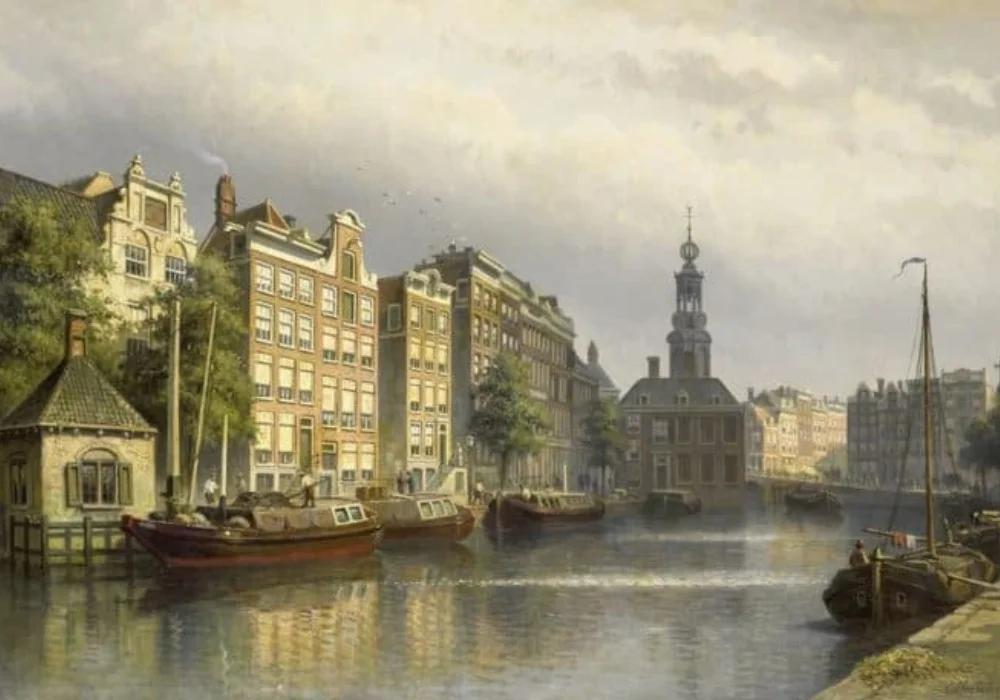
The canals of Amsterdam were originally used for transportation, trade, drainage, and protection against flooding.
Today, Amsterdam’s canals serve multiple purposes. They remain important waterways for both recreational boat trips and commercial shipping. They also contribute to the city’s unique atmosphere and character, making them a major draw for tourists. The canals play a role in the city’s urban water management system, helping to drain water naturally and prevent flooding. On top of that, they serve as venues for events, festivals, and cultural activities that add to the vibrancy of Amsterdam’s city center.
How Many Canals Are There in Amsterdam?
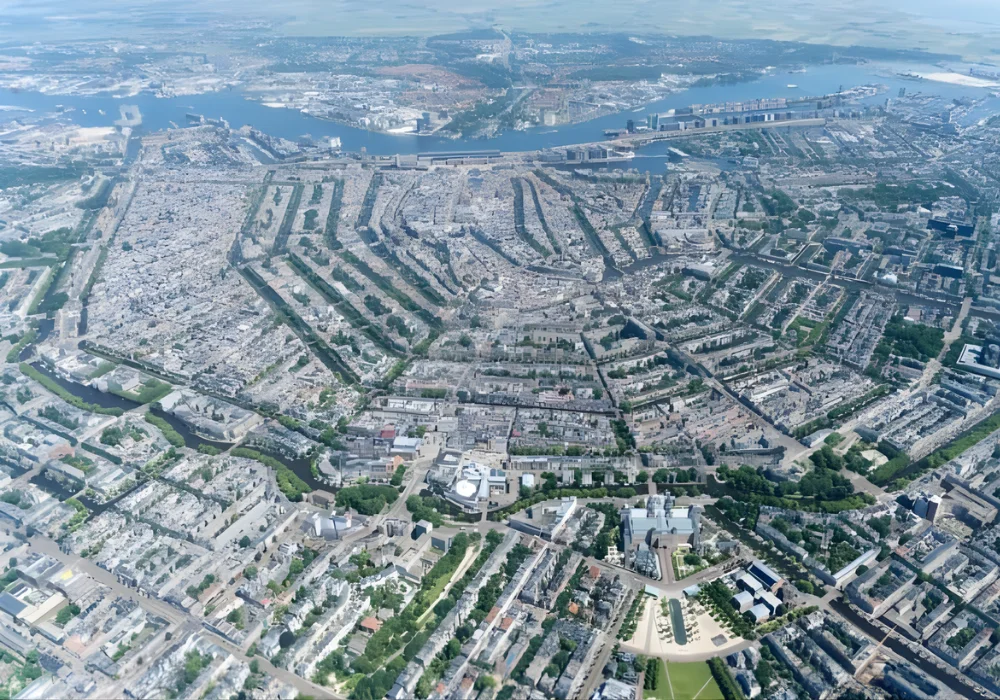
Amsterdam has more than 100 kilometers of canals.
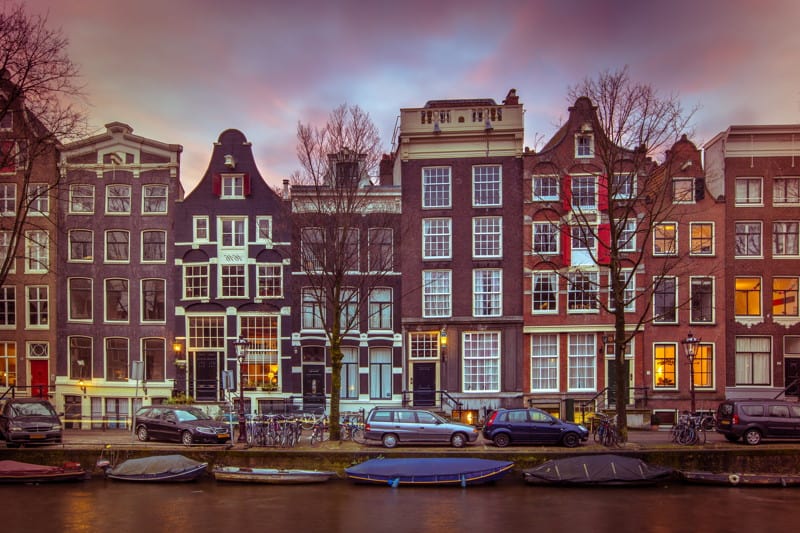
The canals are an iconic feature of the city and an integral part of its history and urban design. The three main canals are the Herengracht, Keizersgracht, and Prinsengracht. These three principal canals run through the historic center and are lined with stately canal houses, bridges, and picturesque streets.
As for Amsterdam’s most beautiful canal, the Brouwersgracht is frequently cited as one of the most charming and picturesque. In 2007, the Brouwersgracht was officially named the most beautiful canal in Amsterdam. It is surrounded by historic buildings and offers a stunning view of the water and surrounding architecture.
Amsterdam is not only the capital of the Netherlands but also the country’s largest city — and the one with the most canals. These waterways remain a vital part of Amsterdam’s cultural and urban heritage, drawing millions of visitors from around the world every year. Come and discover the beautiful canals of our capital city.
What Is the Oldest Canal?
The Singel is the oldest of Amsterdam’s four principal canals. It was originally built as a city wall during the Middle Ages to protect the city, and was later converted into a canal. The Singel once enclosed the medieval city center and marked the boundary of the old city. Over time, Amsterdam grew beyond this boundary, and additional canals were dug — including the Herengracht, Keizersgracht, and Prinsengracht.
These oldest canals, together with many secondary canals and waterways, form Amsterdam’s extensive canal network. They have witnessed centuries of urban development, commercial history, and cultural change.
What Is the Innermost Canal of Amsterdam?
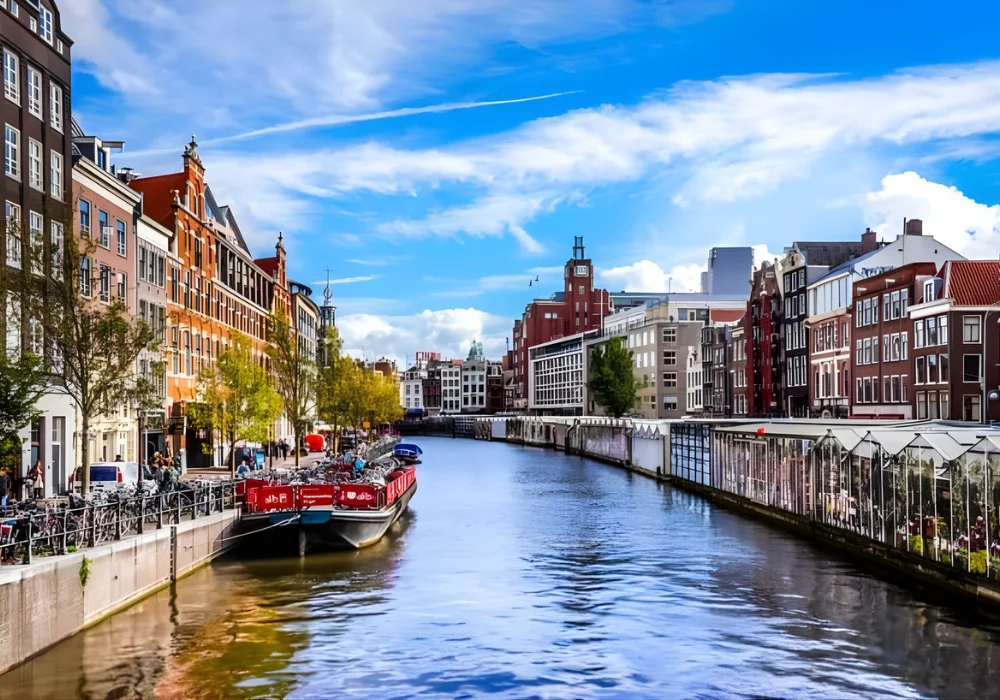
The innermost canal of Amsterdam is the Singel.
The Singel runs around the historic center of Amsterdam. It forms the innermost ring of canals and was originally built as a city wall before being converted into a canal. The Singel runs along the edge of the medieval city center and has played a significant role in Amsterdam’s urban history.
The Order of Amsterdam’s Canals
The order of Amsterdam’s canals is often remembered using the Dutch mnemonic: “Piet Koopt Hoge Schoenen” (“Peter Buys High Shoes”). The first letters of each word correspond to the names of the four main canals:
- P: Prinsengracht
- K: Keizersgracht
- H: Herengracht
- S: Singel
What Is the Most Expensive Canal in Amsterdam?
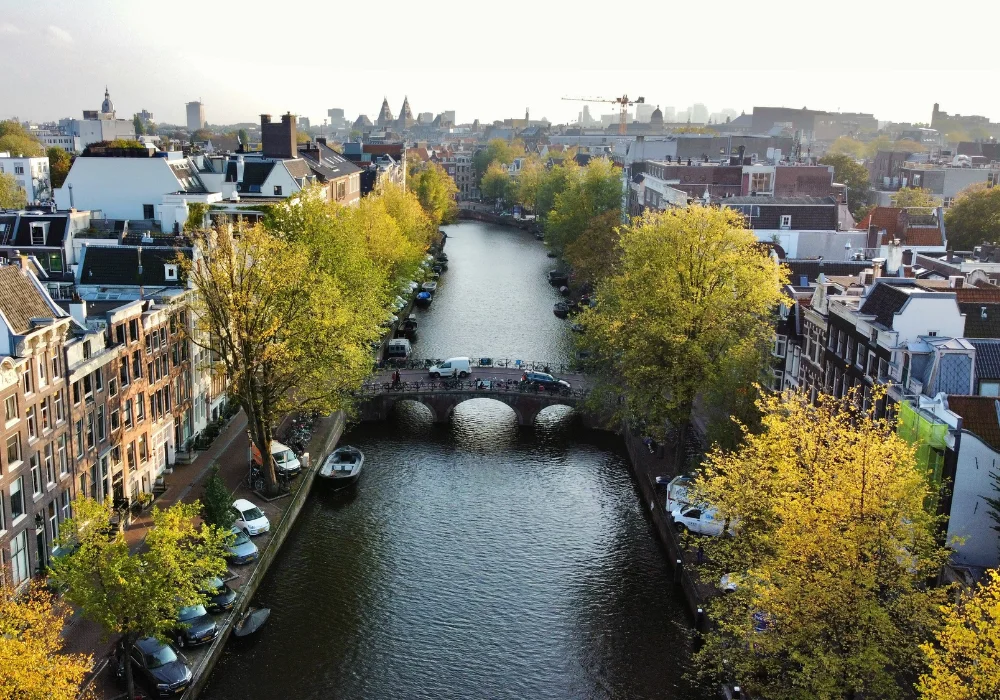
The most expensive canal in Amsterdam is generally considered to be the Herengracht, which is also regarded as the most prestigious of all the canals.
The Herengracht is one of the most exclusive addresses in Amsterdam. The sky-high property prices along this canal are the result of several factors. First, the Herengracht is one of the four main canals in the historic city center, and it carries centuries of architectural heritage. The canal is lined with imposing merchant houses and grand buildings, which have long been seen as status symbols.
Second, the location of the Herengracht is highly coveted. The canal sits right in the heart of the city center, close to major landmarks, shops, and cultural institutions. The scarcity of available land and properties along the Herengracht is another key driver of its exceptionally high real estate prices.
The Widest Canal
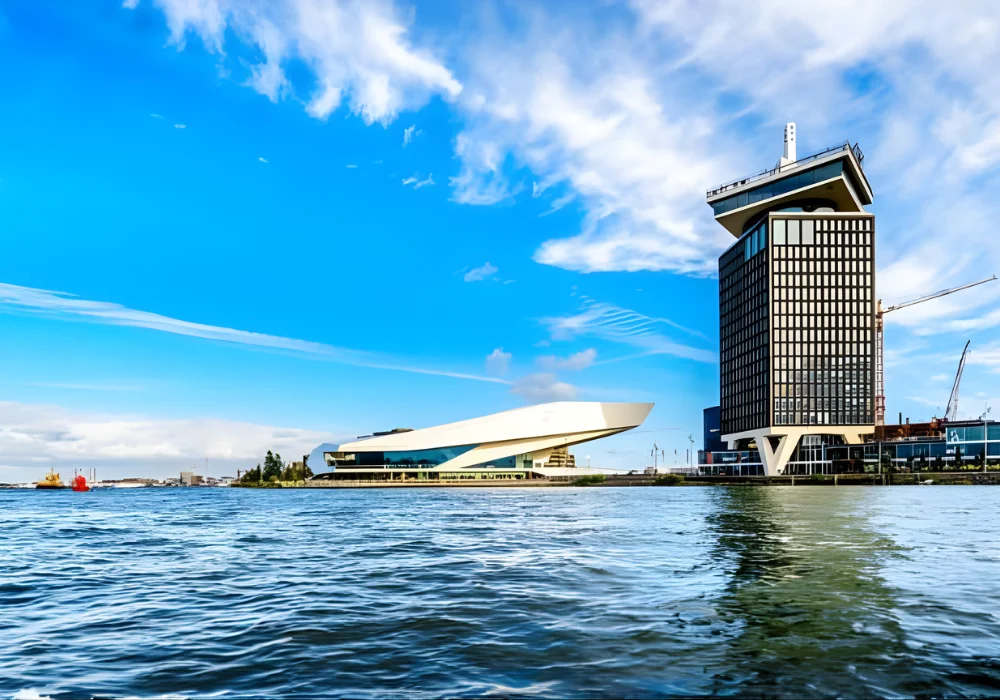
The widest canal in Amsterdam is the IJ, which is more of a waterway than a traditional canal. The IJ runs along the northern edge of the historic city center and connects Amsterdam to the IJsselmeer. While the IJ is not strictly a canal in the traditional sense, it is frequently mentioned in the context of Amsterdam’s waterscape due to its sheer size and its role as a major shipping route and waterway.
How Deep Are Amsterdam’s Canals?
The depth of Amsterdam’s canals varies, but most canals are generally between 2 and 3 meters deep. The exact depth can vary depending on the location, the width of the canal, and other environmental factors.
The Amsterdam Canal Ring
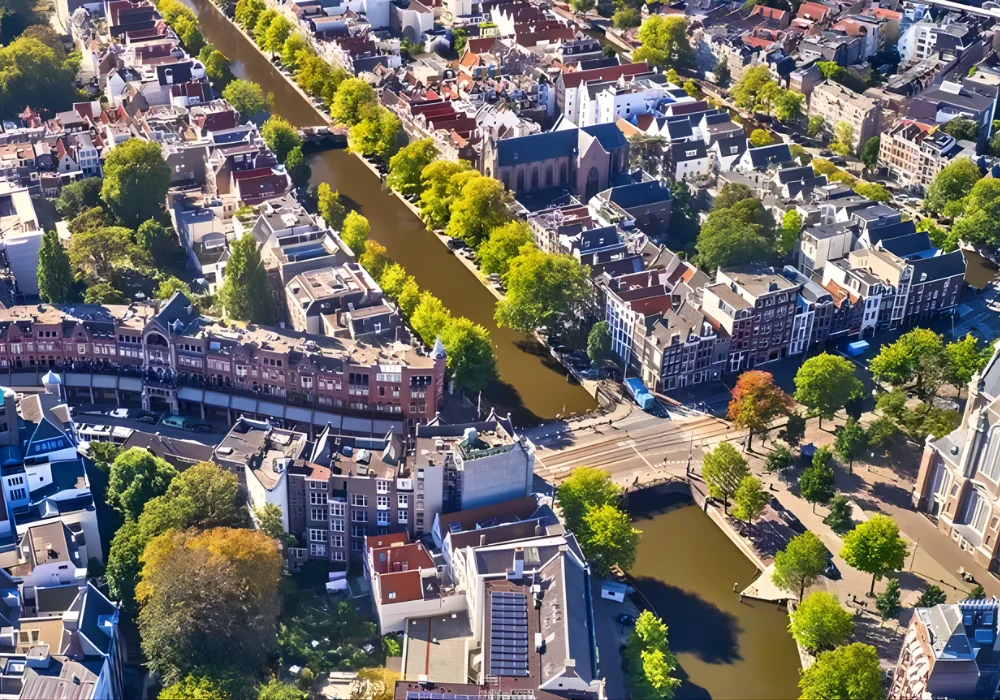
The Amsterdam Canal Ring is an extraordinary historical and architectural phenomenon that has earned worldwide recognition. This unique urban layout — a network of canals, bridges, and magnificent canal houses — forms the heart of Amsterdam’s historic city center. It is a symbol of the prosperity, ingenuity, and urban vision of the Dutch Golden Age. The Amsterdam Canal Ring has been a UNESCO World Heritage Site since 2010.
The Amsterdam Canal Ring consists of four main canals arranged in concentric semicircles around the old city center:
- Singel: The innermost canal, originally constructed as a city wall.
- Herengracht: The second canal, renowned for its grand canal houses and stately architecture.
- Keizersgracht: The third canal, similarly rich in historic buildings and heritage.
- Prinsengracht: The outermost canal of the ring, lined with characterful buildings.
Attractions Along Amsterdam’s Canals
A breathtaking landscape of historic beauty and cultural richness unfolds along Amsterdam’s canals. These picturesque waterways crisscross the heart of the city and offer a unique window into Amsterdam’s rich history and vibrant present. One of the most special ways to discover these landmarks is by boat. As you glide across the water, you’ll pass some of the most iconic and fascinating places the city has to offer — including the many houseboats that line the canal banks.
Bridges Over Amsterdam’s Canals
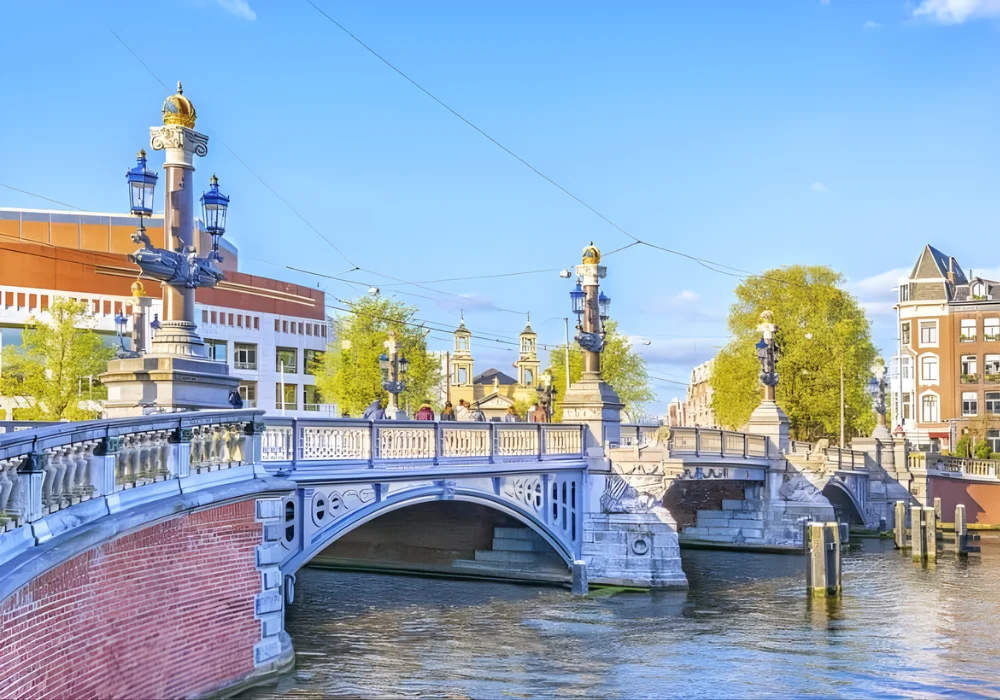
Amsterdam’s canals are spanned by a remarkable collection of bridges that are as functional as they are atmospheric. The Magere Brug (Skinny Bridge) — a graceful double drawbridge over the Amstel — is an iconic landmark, especially romantic when lit up at night. The Blauwbrug offers stunning views of the surroundings and the Magere Brug. The Torensluis, one of Amsterdam’s oldest bridges, spans the Singelgracht and holds great historical significance. The Staalmeesterbrug, which crosses the Herengracht, is named after a former fabric inspection building on the same site.
Famous Buildings and Museums Along the Canals
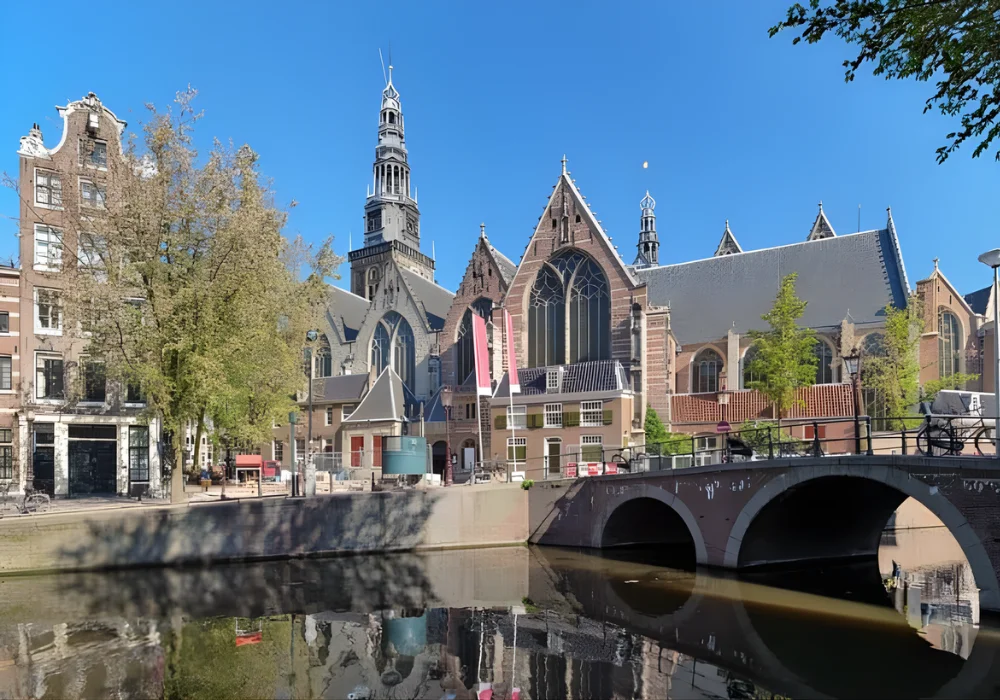
The Oude Kerk
This imposing building is not only the oldest surviving structure in Amsterdam — it’s also one of the city’s most powerful symbols. The church is located on the Oudezijds Voorburgwal and has a timeless beauty that is inseparable from its historical significance.
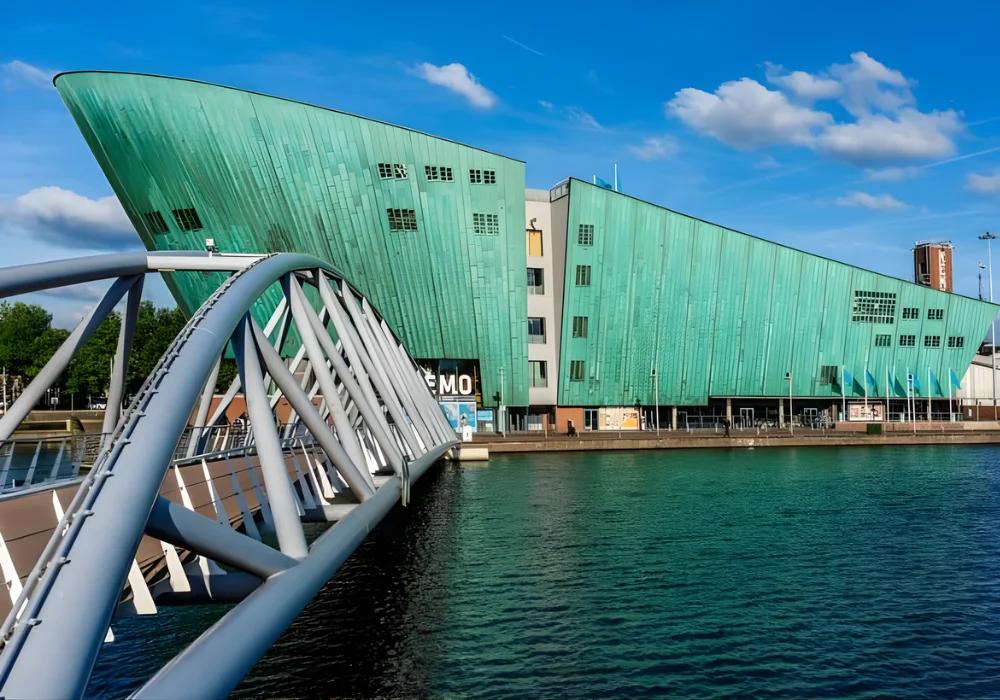
NEMO Science Museum
This modern, interactive museum is located at the Oosterdok and is a paradise for curious minds of all ages. The striking green building is home to educational and hands-on exhibitions covering science and technology.
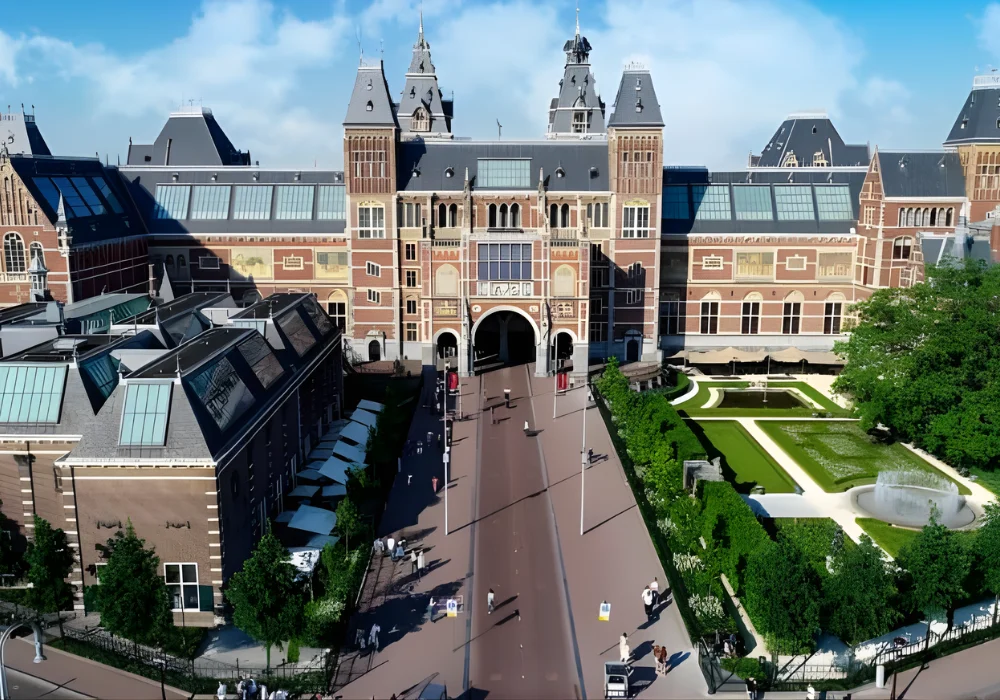
The Rijksmuseum
Located at the Museumplein and along the Stadhouderskade, this world-famous museum is home to an extensive collection of Dutch masterpieces. The Rijksmuseum is one of the most visited museums in the world.
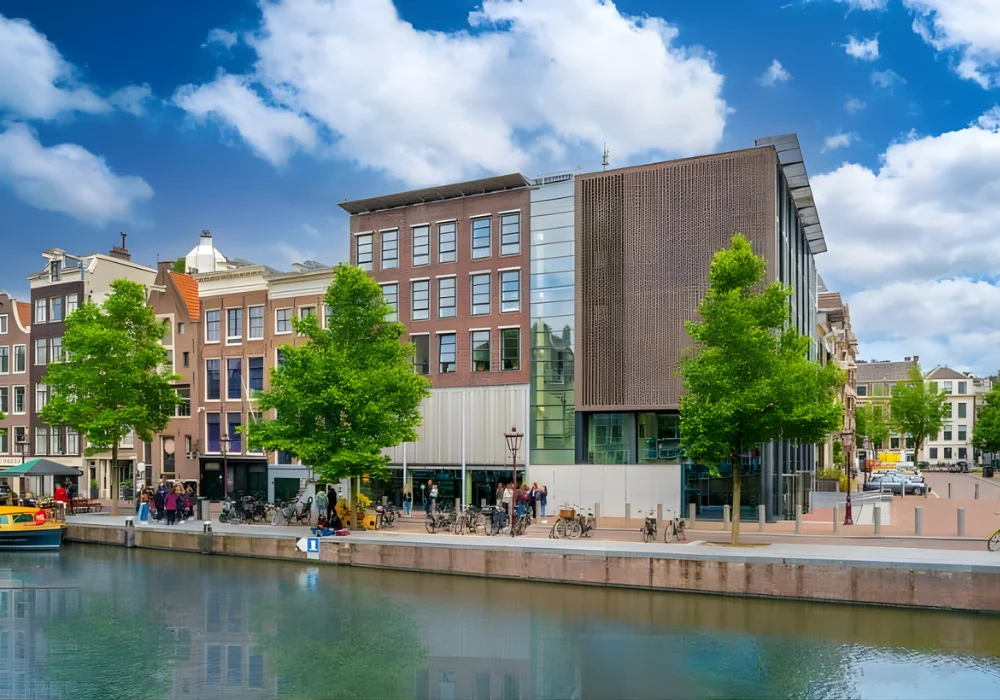
The Anne Frank House
This moving landmark on the Prinsengracht is where Anne Frank and her family went into hiding during World War II. It is now a museum dedicated to her life and the story of the Holocaust.
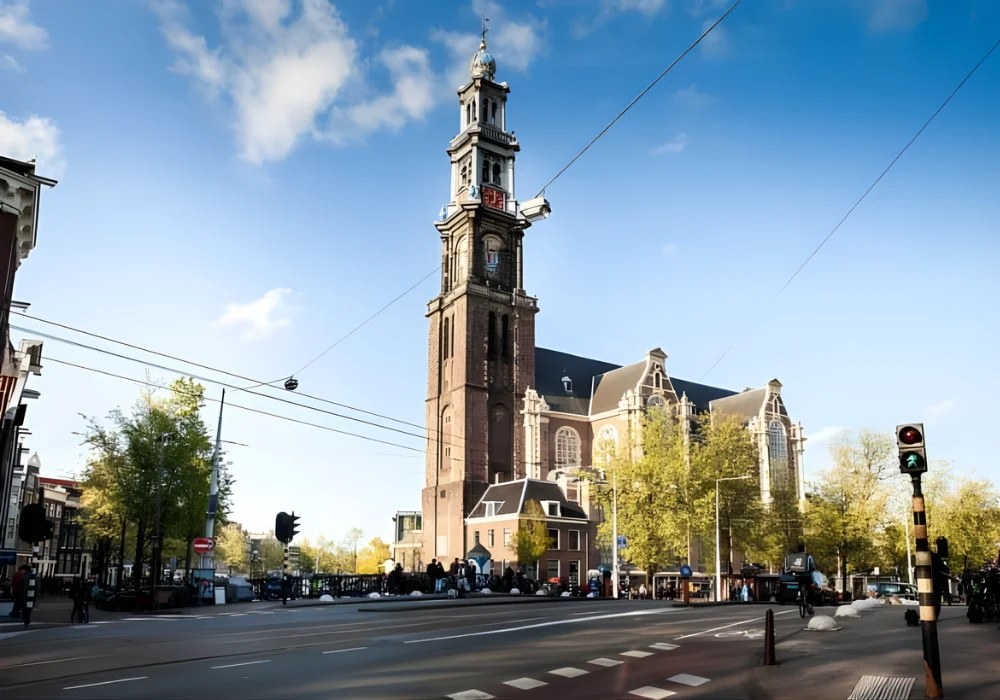
The Westerkerk and Westertoren
Also situated along the Prinsengracht, the Westerkerk and its famous tower — the Westertoren — are iconic symbols of Amsterdam. The tower offers a stunning panoramic view over the city.
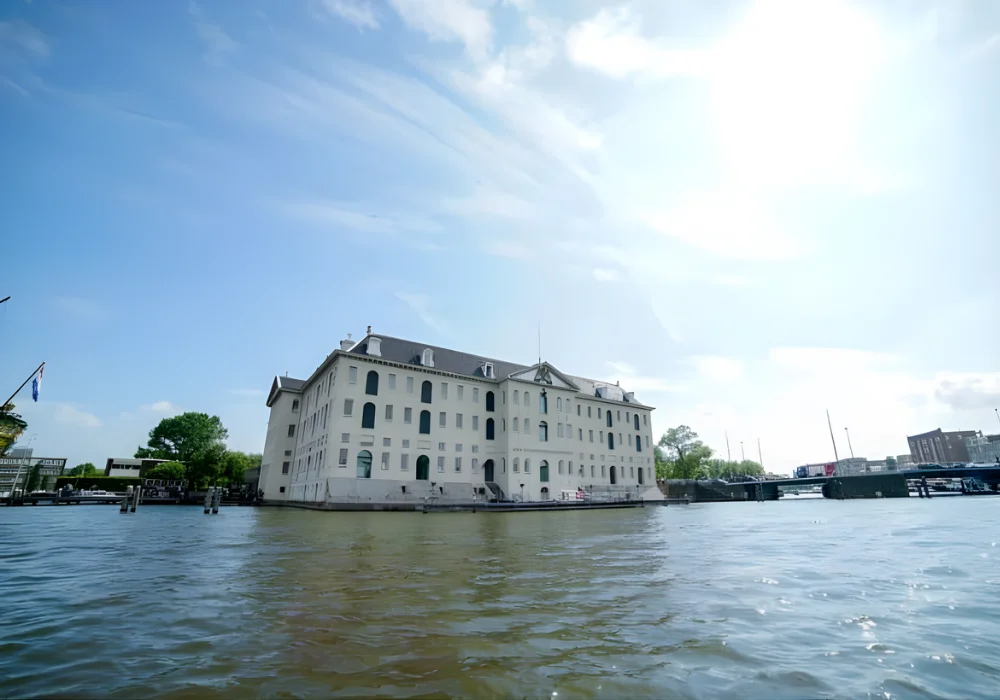
The National Maritime Museum
Located on the eastern side of the Oosterdok, this museum takes visitors on a journey through the Netherlands’ remarkable maritime history. It sits near Amsterdam’s eastern islands and is one of the city’s most fascinating cultural destinations.
The Red Light District
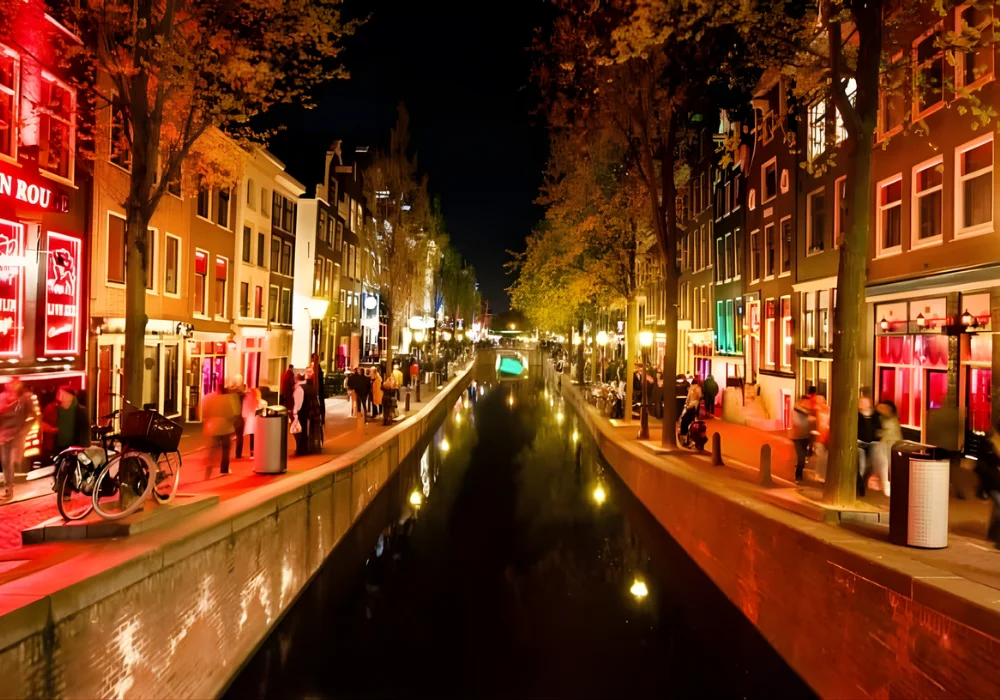
Along the canals of the Oudezijds Voorburgwal area lies Amsterdam’s world-famous Red Light District, with its distinctive atmosphere and its characteristic red-lit windows.
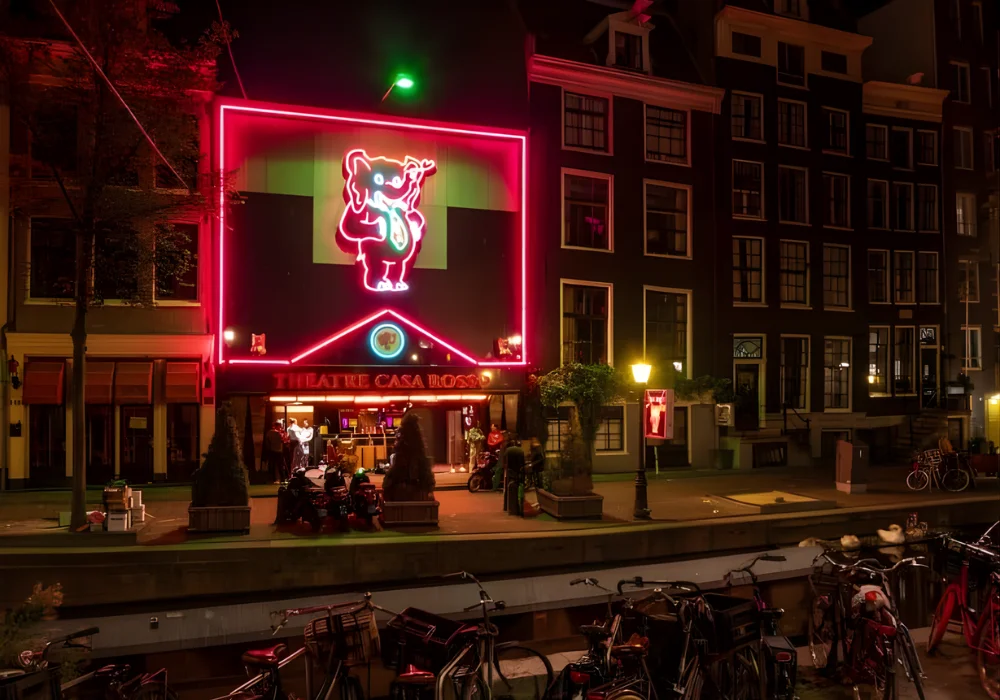
Casa Rosso
A well-known erotic theater located along the canals of the Red Light District, Casa Rosso has become a symbol of Amsterdam’s liberal and open-minded character.
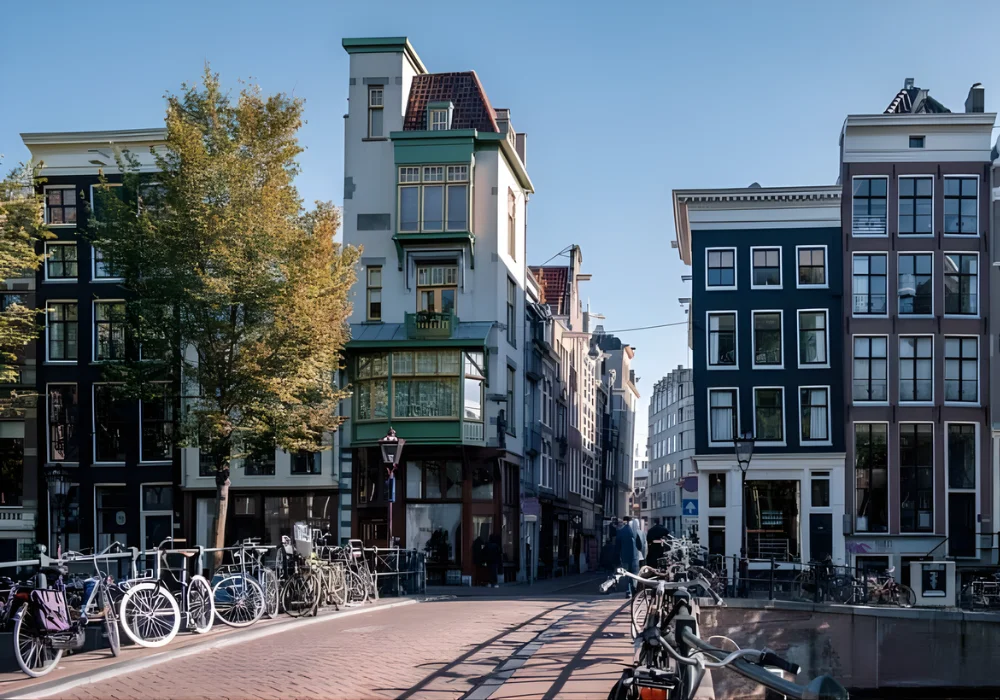
The Nine Streets
Nestled between the canals — including the Herengracht and Keizersgracht — you’ll find the Nine Streets (De 9 Straatjes). This charming district is packed with boutique shops, cozy restaurants, and specialty stores.
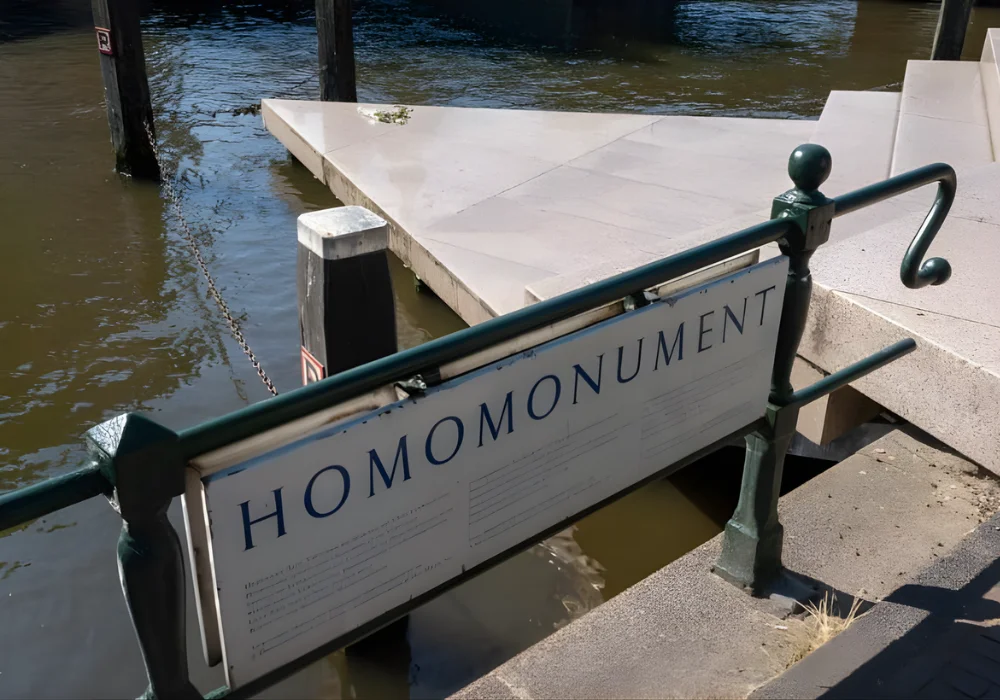
The Homomonument
Located at the Westermarkt, this monument commemorates the history and struggles of the LGBTQ+ community and holds special significance for the city of Amsterdam.
Sailing Through Amsterdam’s Canals
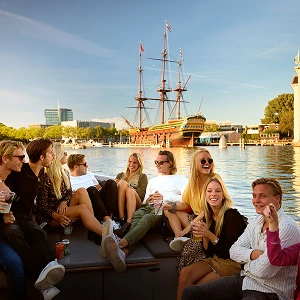
Sailing through Amsterdam is a truly enchanting experience that reveals the city’s unique beauty from the water. At Bootuitjes, you can enjoy this incredible adventure with a range of packages and premium options. Whether you choose a relaxed cruise on an elegant sloop or a comfortable saloon boat, Bootuitjes offers the perfect way to explore Amsterdam’s picturesque canals and iconic landmarks. There are several sailing routes to choose from.
While supplies last
Especially for you
Read our blogs and find out everything about the best outings and sailing routes