German
  Dutch
Dutch 
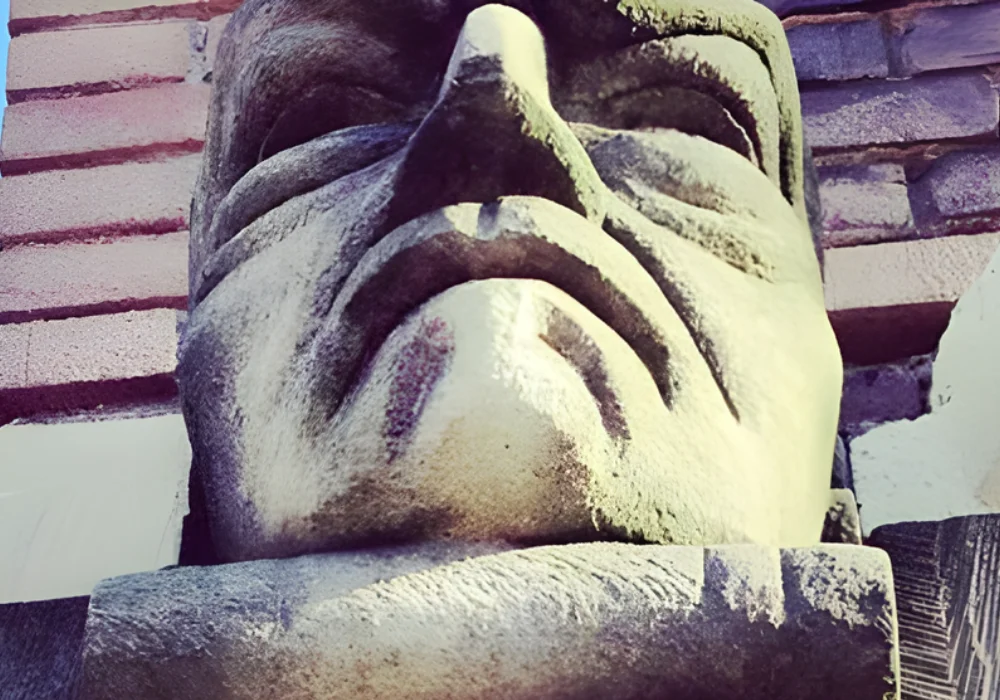
Berlage Route Amsterdam: Architecture, History & Iconic Landmarks by Boat
The Berlage Route is a stunning sailing route that takes you past the most beautiful and celebrated landmarks in Amsterdam’s city center. The route is named after the renowned Dutch architect Hendrik Petrus Berlage, who is responsible for the urban layout of this part of the city — known as Plan Zuid. In the early twentieth century, Berlage visited New York and was deeply inspired by the works of the legendary American architect Frank Lloyd Wright. That inspiration never left him, and you can see its influence — those grand, minimalist elements drawn from Wright’s work — reflected in all of Berlage’s architectural designs.
Haven’t arranged a boat yet? We highly recommend our drinks cruise for this route — we guarantee a drinks experience you’ll never forget. Prefer something different? Browse our full range of boat trips and check out our rent a sloop Amsterdam page. Now, let’s get the route started!
The Berlage Route doesn’t just take you past the most celebrated designs of Hendrik Berlage — it also leads you along the artistically crafted bridge designs of Pieter Kramer and past several iconic works by Amsterdam’s city sculptor, Hildo Krop.
Holland Casino
Depending on where you moor, the Holland Casino will be either the first or the last landmark you sail past. This modern, gently curved building makes a great final stop — the perfect place to wind down with a drink, a meal, or even a spin at the tables after your boat trip.
Paradiso
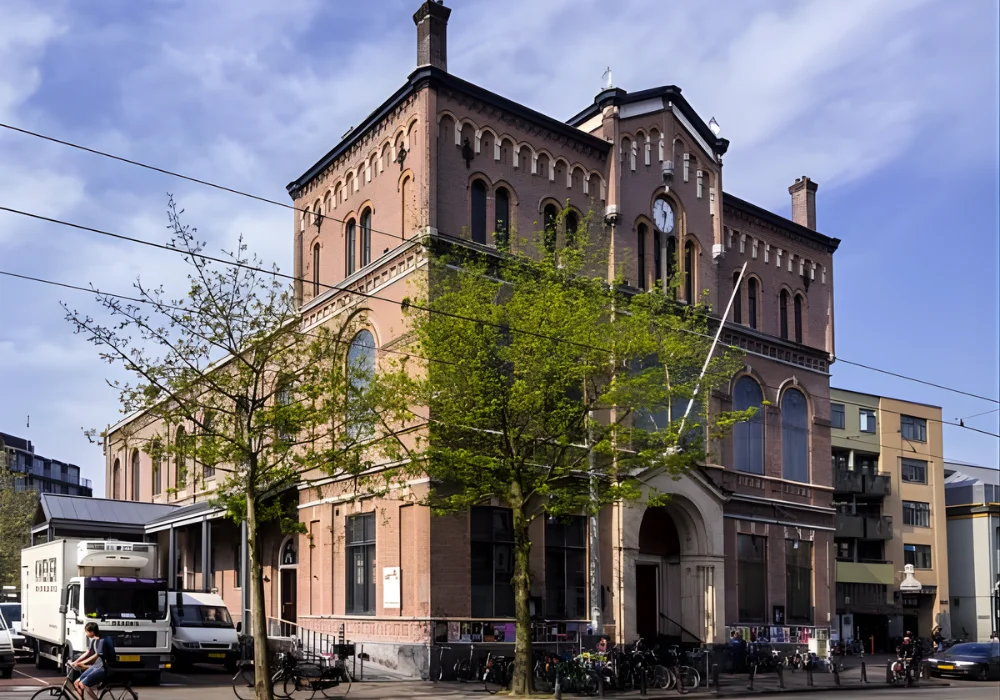
A little further along the canal, you’ll find the city’s oldest pop temple. Paradiso was built in the neo-Romanesque style and served as a religious center for nearly 85 years. In 1965, the building was sold to a developer with plans to turn it into a hotel. Two years later, it was squatted by hippies who successfully pressured the city council into making it a music venue instead — and Paradiso has been a legendary concert hall ever since.
Rijksmuseum
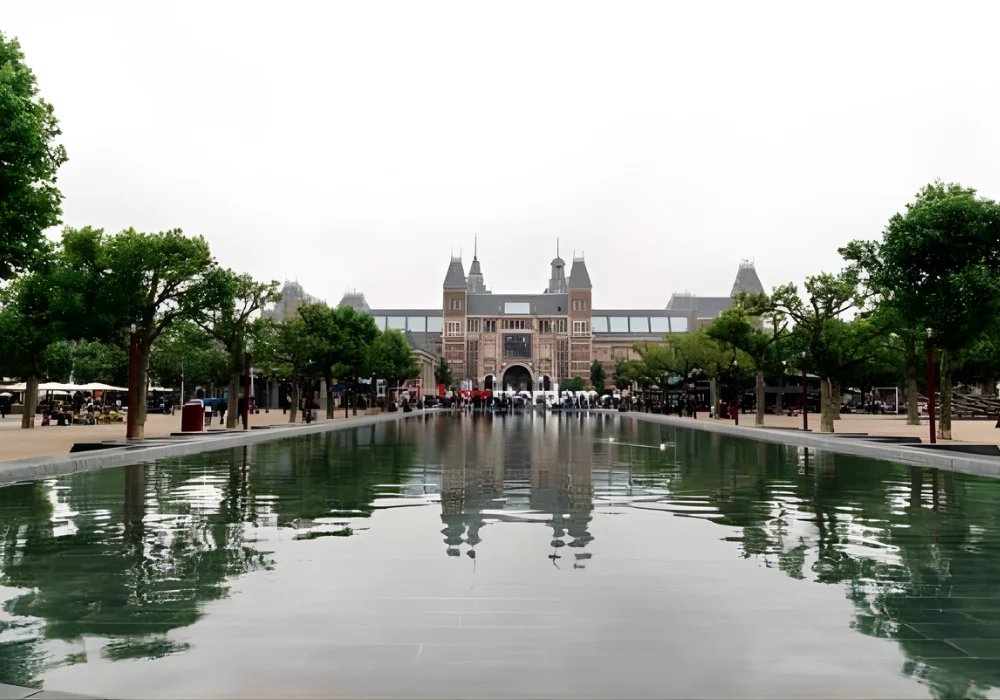
Next, the two towers of the Rijksmuseum come into view. The Netherlands’ national museum has been serving in that role since 1800, following the French model. Designed by Pierre Cuypers, this striking neo-Gothic building is home to the most famous museum in the country.
Heineken Experience
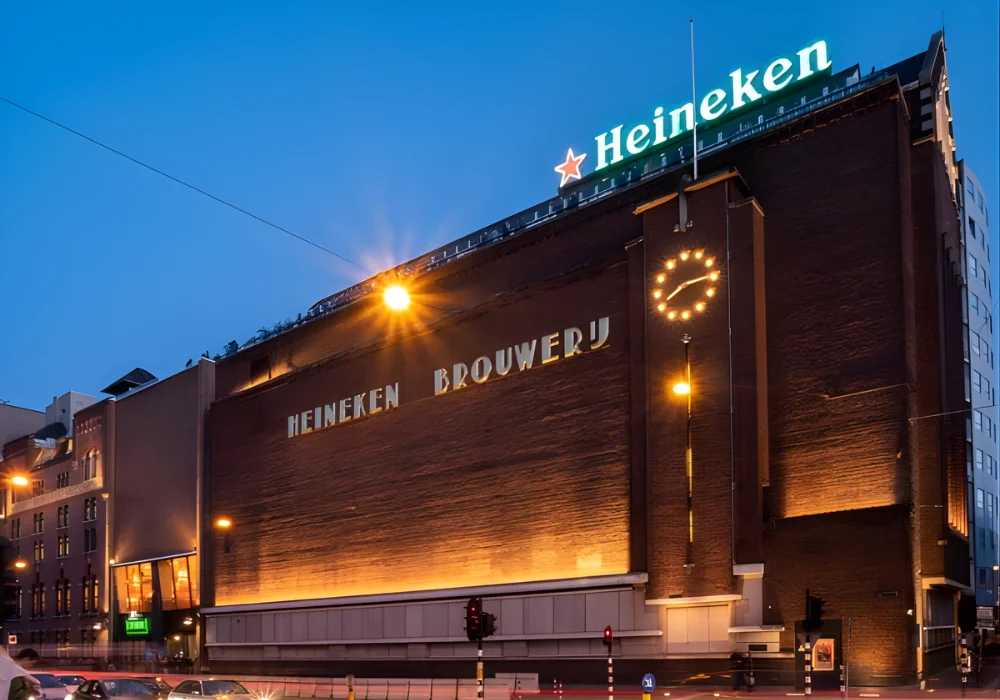
A firm favorite among both domestic and international tourists, the Heineken Experience awaits along the Singelgracht. This modern and interactive museum tells the story of the world’s most iconic beer brand, and ends with a tasting session that more than lives up to the hype. The museum is housed in Heineken’s original Amsterdam brewery, built in 1868.
The Berlage Lyceum
At the next stop, you could almost go straight back to school — these monumental buildings have always been home to secondary schools. Since 1967, the school has been known as the Berlage Lyceum, named after the architect who inspired this very route. Before that, the Spinoza Lyceum occupied the premises for a number of years before relocating to another site.
The Harbour Club
For a welcome change of pace from the historical and architectural grandeur, there’s The Harbour Club Zuid. This upscale venue combines a high-end fish restaurant, a stylish bar, and a premium events space — the go-to spot for Amsterdam’s discerning crowd. A perfect place to moor and enjoy a drink.
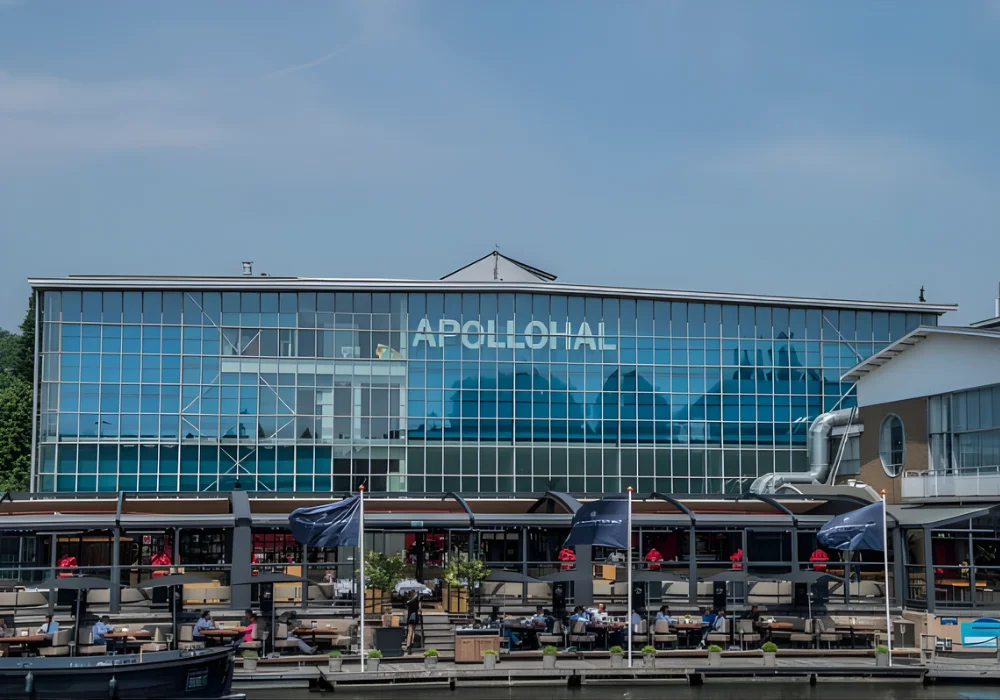
Apollo Hotel Amsterdam
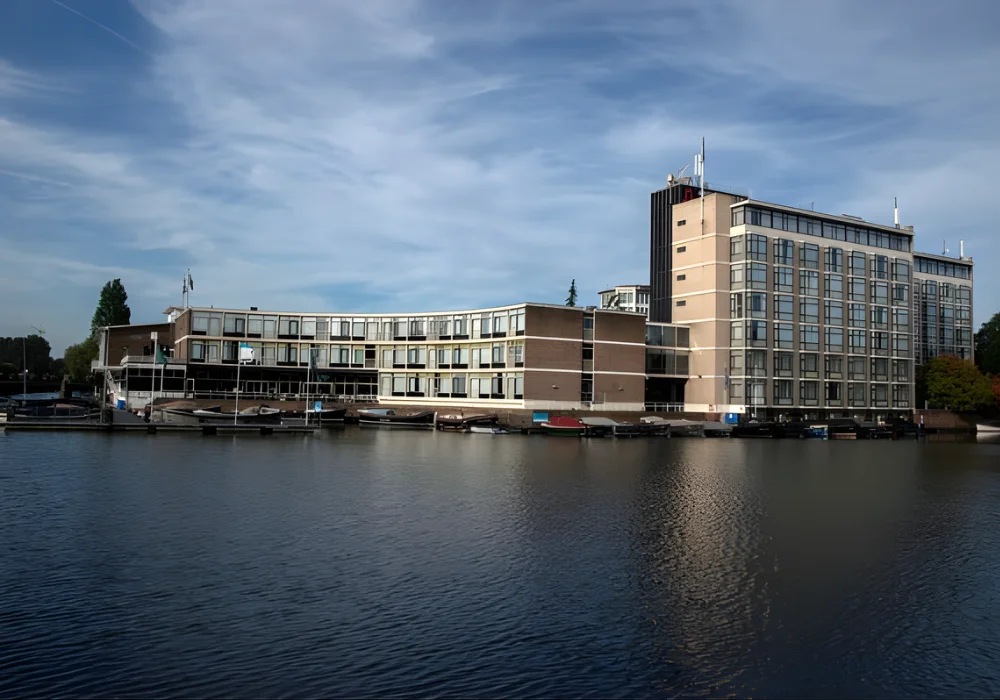
As you sail into the Noorder Amstelkanaal, one of the city’s most luxurious hotels comes into view: the Apollo Hotel. This bold concrete and glass structure was a genuinely modernist statement for its era — the 1930s — and was designed by architects Boeken and Zweedijk alongside the nearby Apollo sports hall.
Herman Gorterstraat
This street is lined with a beautiful mix of homes, all with lovely views over the water. Modern architecture alternates with monumental historic residences. Renowned architect Theo Lammers designed a particularly notable monumental building here in the style of the Amsterdam School.
Olympic Stadium
The final landmark along the route is the classic Olympic Stadium, built in 1927 for the Summer Olympics of 1928. Designed by Jan Wils, this athletic stadium still regularly hosts concerts, events, and sporting competitions. Around the building’s edges, you’ll find a number of businesses and a restaurant and bar.
While supplies last
Especially for you
Read our blogs and find out everything about the best outings and sailing routes