German
  Dutch
Dutch 

History of Haarlem: Everything About the City’s History
Haarlem traces its origins to the Middle Ages and grew into a cultural and economic centre. This rich history is still clearly visible in the bustling city today. Narrow streets, canals, and historic waterways – during a visit to Haarlem, you’ll discover it all. Its history has helped the city grow into a vibrant place, brimming with heritage, shops, hospitality venues, and landmarks!
Contents
- The history of the city of Haarlem
- The founding of Haarlem
- When was the city founded and who discovered Haarlem?
- Where does the name Haarlem come from?
- How did the canals come into being?
- How many canals does Haarlem have?
- The origin of the Spaarne
- How and when did the neighbourhoods emerge?
- When did Haarlem become the capital of North Holland?
- Why is the Dutch city of Haarlem the capital of North Holland?
- How and when did all the roads in and around Haarlem emerge?
- What is the history of transport in Haarlem?
- History of the economy in Haarlem
- The history of famous landmarks in Haarlem
- The Spaarne
- The Grote & St. Bavokerk
- Frans Hals Museum
- Teylers Museum
- Jopenkerk
- The Botermarkt
- Discover the history of Haarlem
The history of the city of Haarlem
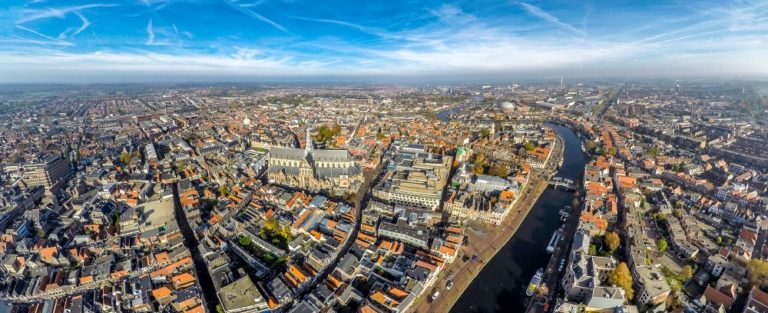
Haarlem is a city with a rich history. For history enthusiasts, there is therefore much to discover. From the founding of the city and the origin of its name to population growth and famous landmarks, Haarlem has a history that goes back centuries.
The founding of Haarlem
Discover the origin of the city of Haarlem, a place that has its roots in the 13th century. In 1245, the city received city rights and Haarlem was officially allowed to call itself a city. These were granted by the Count of Holland. Step back in time and discover the rich history of Haarlem. The city has an enormous amount to offer when it comes to historic landmarks and cultural discoveries.
The history of Haarlem begins with the first mentions in ancient documents. These records date back to the tenth century. From the 15th century onwards, Haarlem was one of the most important cities in the Netherlands. During the Eighty Years’ War, Haarlem put up fierce resistance against the Spanish during the Spanish occupation. Although the city suffered many setbacks, it managed to recover each time. These setbacks include the Spanish occupation and the great city fire, which destroyed part of the city.
The siege and the city fire cost approximately one and a half million guilders. The wooden church belonged to the parish of Velsen and burned down almost entirely during this period. As compensation, Haarlem was awarded all possessions of the Catholic Church after many years. The city was full of monasteries and other ecclesiastical properties, which helped enormously in getting back on its feet. After peace returned, many Flemish and French immigrants arrived, bringing about another period of prosperity.
When was the city founded and who discovered Haarlem?
Haarlem was founded in the 13th century. The city was discovered by Count Willem II of Holland. When the city was founded, it began as a settlement near a Roman fort on the Spaarne. The fort protected the river and served as a trading post. Thanks to its favourable location on the water, the settlement quickly began to grow. As a result, Haarlem grew into a thriving city in no time.
Where does the name Haarlem come from?
To this day, there are still various theories about where the name Haarlem comes from. The most well-known theory is that the name is derived from “Haarlo-heim”, which means dwelling place by the water. This refers to the city’s location on the river Spaarne and the presence of the unique canals in the city.
When was the name Haarlem coined?
The name Haarlem was presumably coined in the Middle Ages. However, the exact origin and meaning of the name are not fully known, and the origin of the name is still a subject of debate.
How did the canals come into being?
The Haarlem canals are an important feature of the city. The canals were created in the fourteenth century. Initially, they were constructed to protect Haarlem against potential enemy attacks. They served at the time as a waterline around the city, together with gates and city walls. The canals made it harder for enemies to penetrate the city.
Over time, the canals took on an additional function. They were used for transport and trade, making Haarlem an important hub in trade routes. The canals made it possible to transport goods efficiently. Moreover, they had a direct connection to the river Spaarne, allowing merchant ships to reach the city quickly.
How many canals does Haarlem have?
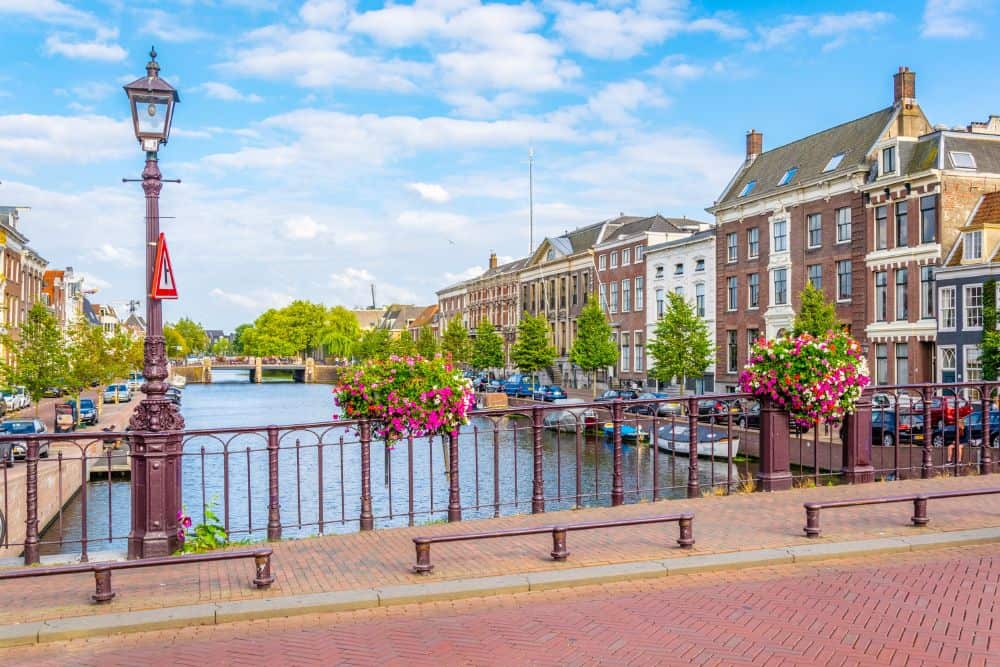
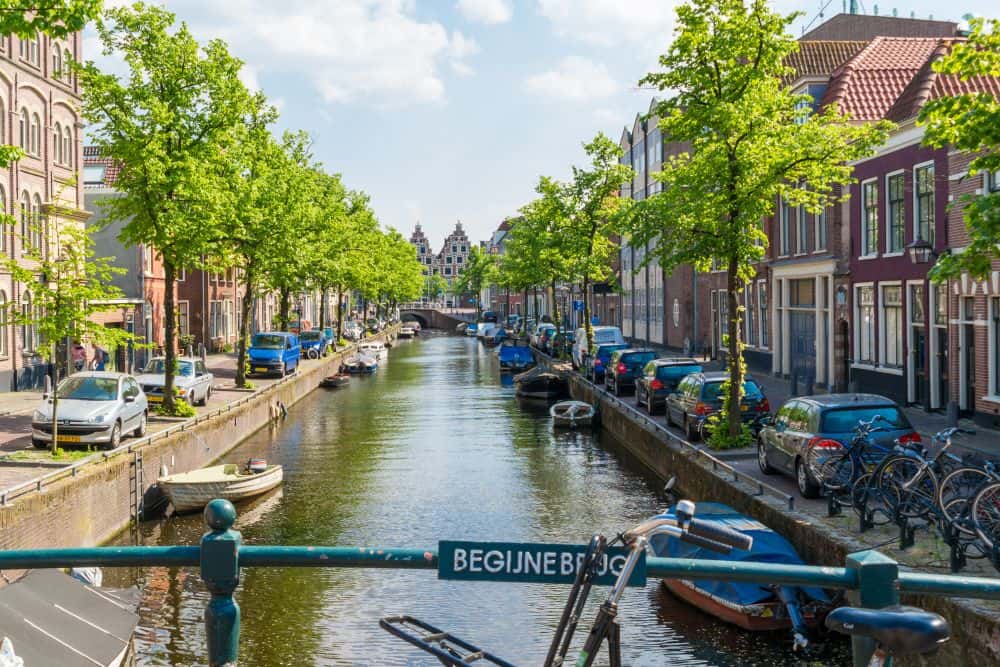
Haarlem has approximately 16 canals running through the city. These waterways contribute to its character and provide an atmospheric backdrop for boat trips and walks along the water. The canals are a true hallmark of the city and beloved by both residents and visitors. They offer picturesque views, charming bridges, and contribute to the unique appeal of Haarlem.
What is the oldest canal in Haarlem?
The oldest canal in Haarlem is the Bakenessergracht. This canal dates back to the Middle Ages and is known as one of the most iconic waterways of Haarlem. The canal offers wonderful vistas of historic buildings and beautiful bridges.
The origin of the Spaarne
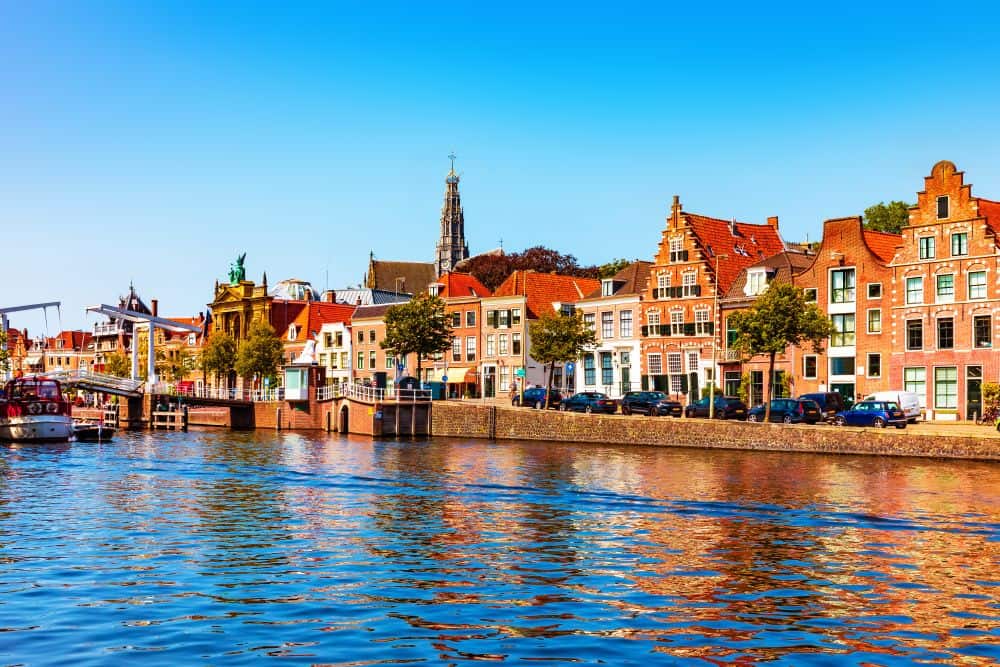
The Spaarne is a well-known river that flows straight through Haarlem. This river has played an important role in the development and growth of the city. The river was used as a transport route and connected the city with other important cities and areas in the region. To this day, the Spaarne remains a recognisable element in the cityscape. You can walk along it or sail on it while enjoying the beauty that Haarlem has to offer.
The growth of the population
Over the years, Haarlem has experienced steady population growth. From the small settlement in the Middle Ages, the city has grown into a thriving community with a large population. Haarlem owes its population growth to its favourable location, thriving economy, and extensive arts and culture scene. It is a very attractive city to live and work in.
What are the inhabitants called?
A resident of Haarlem is also known as a “Haarlemmer”. It is an informal and common term used to refer to people who live there. Haarlemmers form a close-knit community and are proud of their beautiful city.
How and when did the neighbourhoods emerge?
Haarlem’s neighbourhoods emerged organically as the city grew and developed further. The oldest neighbourhoods of the city date back to the Middle Ages. These neighbourhoods were formed around important historical and economic centres, such as churches and market squares. During the Golden Age, hardly any new neighbourhoods were built, as the city was already quite densely built up at that time.
As the city continued to grow, new neighbourhoods emerged to house the growing population. In the nineteenth and twentieth centuries, many new residential areas were built to meet the growing demand for housing.
Haarlem’s neighbourhoods have adapted over the years to the changing needs of the city and its residents. Each neighbourhood has its own character and features, which makes the city incredibly diverse.
What is the oldest neighbourhood?
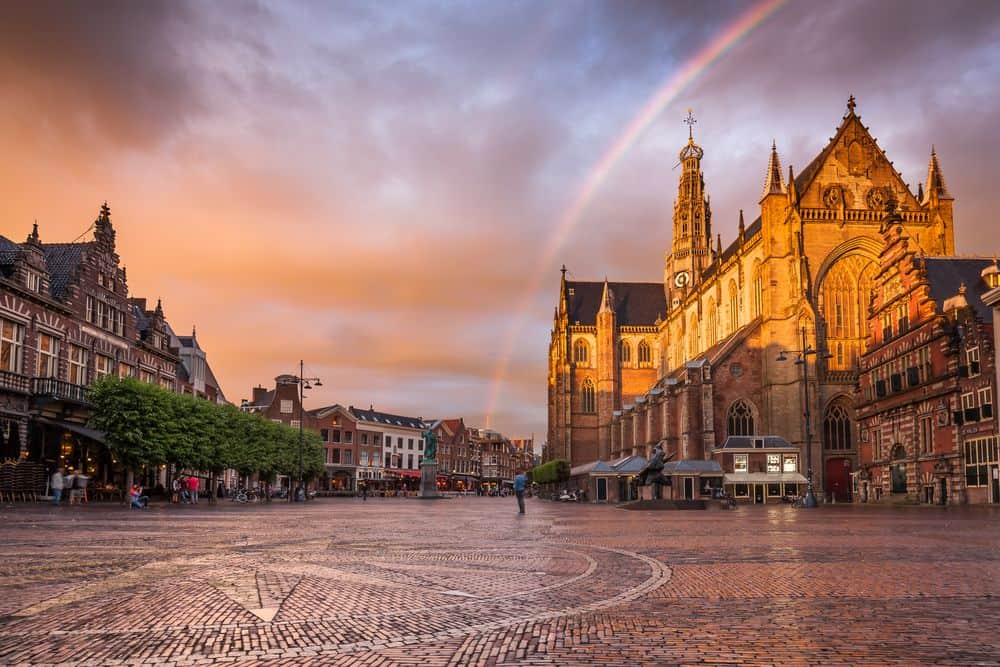
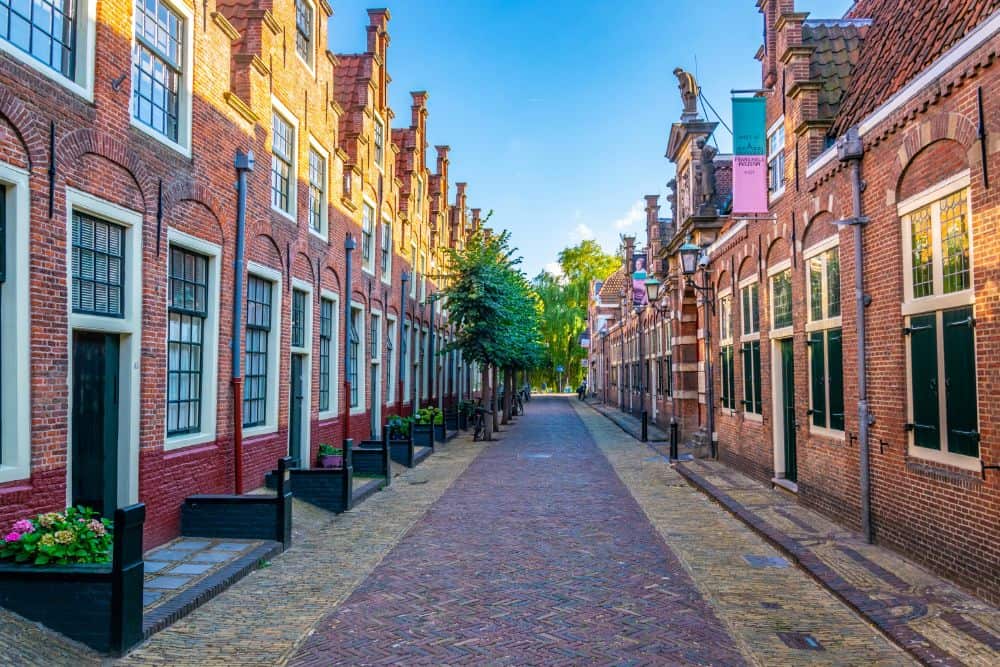
The city centre is known as the oldest neighbourhood of Haarlem. This neighbourhood has its origins in the Middle Ages and still forms the historic heart of the city. In the city centre, you’ll find historic buildings and monuments, narrow streets, landmarks, shops, and eateries. In the heart of the city, you’ll encounter the lively Grote Markt square, the town hall, and the St. Bavo Church, among other sights.
When did Haarlem become the capital of North Holland?
Haarlem was designated as the capital of North Holland in the year 1840. Since 1810, there had been an administrative struggle between Haarlem and Amsterdam to become the capital of North Holland. The province of Holland was split into two parts in 1840, North Holland and South Holland. Haarlem was then chosen as the capital.
Why is the Dutch city of Haarlem the capital of North Holland?
Haarlem is the second city in the list of largest cities in North Holland. So why was this particular city chosen as the capital? There are several reasons for this. Haarlem is known for its rich history and cultural heritage. It has long been an important centre for art, trade, and industry. It was also a prosperous trading city during the Golden Age.
In addition, Haarlem has a central location within the province, making it easily accessible. The city is strategically situated between Amsterdam and Leiden and offers excellent connections to other parts of North Holland.
How and when did all the roads in and around Haarlem emerge?
Haarlem’s roads emerged gradually over the centuries. In the Middle Ages, the first paths in the city began to take shape. These were initially walked by farmers and traders. As the city grew further, the roads improved as well. During the Golden Age, when Haarlem developed into a popular trading city, there was a major improvement in the roads in and around Haarlem. Since then, the roads have been continuously expanded and better connected.
Which road is the oldest?
There are various old roads in the city that have served as important connecting routes in Haarlem for centuries. Think of the Kruisstraat, Zijlweg, and Grote Houtstraat, for example.
What is the history of transport in Haarlem?
Haarlem has a long history when it comes to traffic and transport. In the earliest times, during the Roman era, Haarlem was already an important road junction. Haarlem experienced significant growth in the Middle Ages. As a result, more roads were built to connect the city with surrounding cities and villages.
Haarlem was fitted with gates and city walls, which were used for defence and as checkpoints for traffic entering and leaving the city. During the Golden Age, the city benefited from its strategic location on the Spaarne. With the advent of new modes of transport, traffic changed again. New roads were built and bridges constructed to make Haarlem even more accessible.
The city now has an extensive network of roads, cycle paths, and public transport. It is easy to travel through the city and to reach other locations from here.
History of the economy in Haarlem
When discussing the history of Haarlem, the economy is also an indispensable part. The city has a rich economic history. In the fourteenth century, the city began to flourish, and during the Golden Age, another period of prosperity arrived. The city experienced a period of wealth as an important centre for art and culture, famous painters, and a thriving textile industry. Despite setbacks during the Eighty Years’ War and the Spanish occupation, the city recovered well.
The history of famous landmarks in Haarlem
Haarlem is known for its many famous landmarks that reflect the rich history of the city. Below, we list some of these iconic landmarks for you.
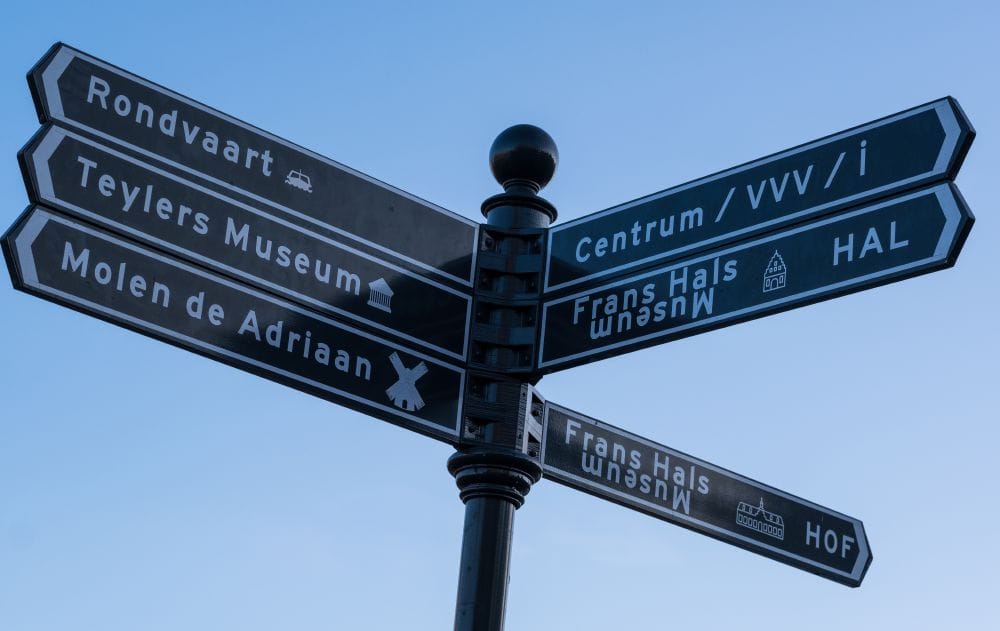
The Spaarne
The Spaarne is the main river that flows through the city. This river has historic significance and served as a safe thoroughfare for many years. It also played an indispensable role in the development and growth of Haarlem.
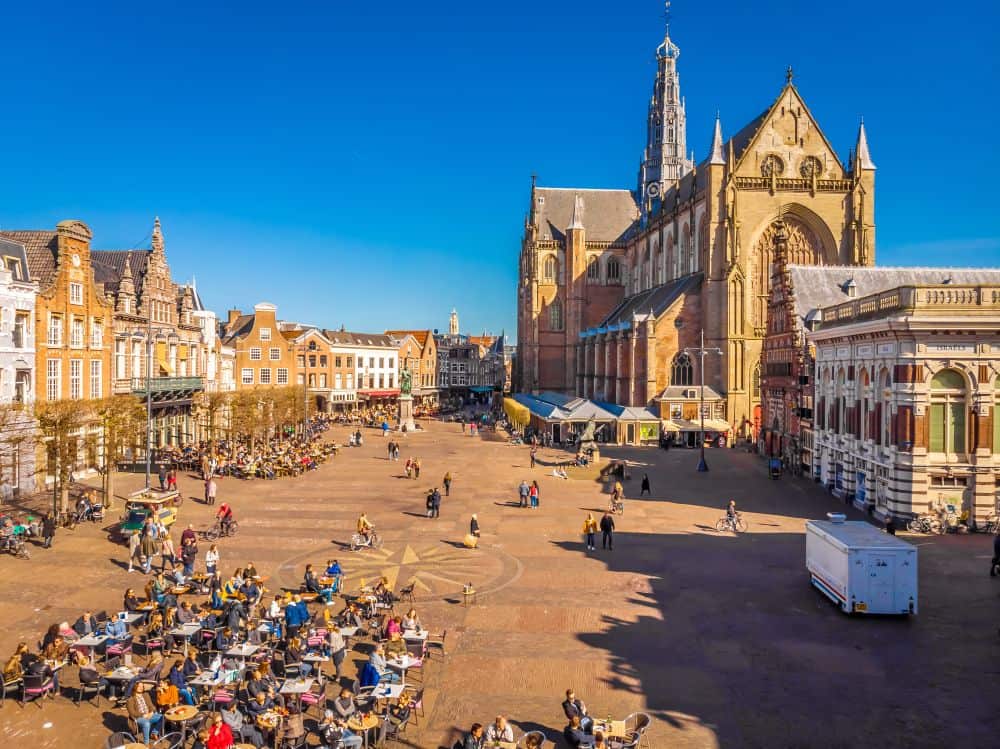
The Grote & St. Bavokerk
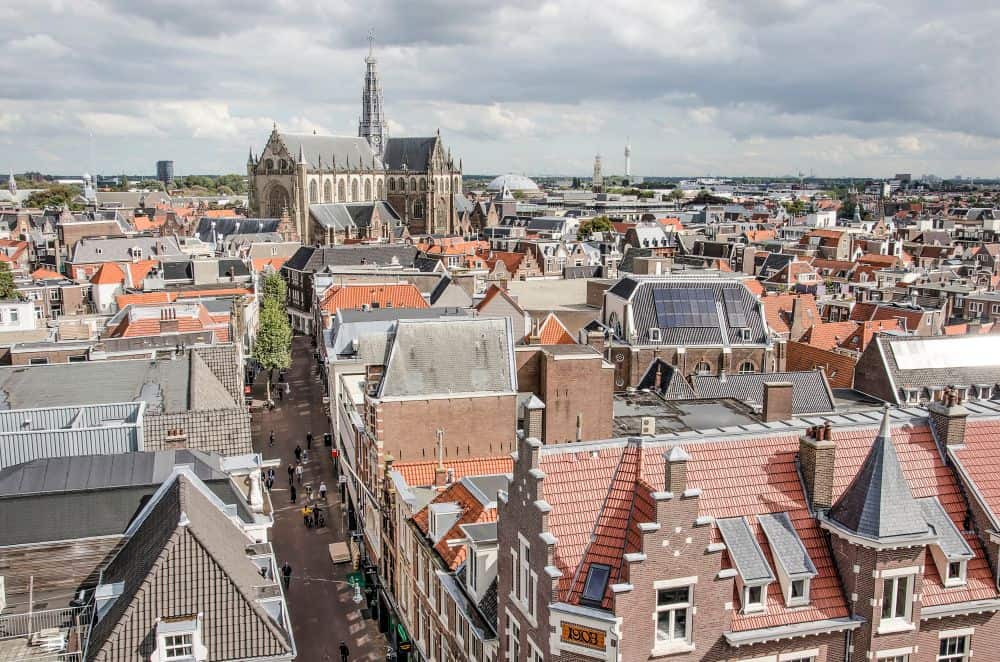
The Grote or Sint Bavokerk is located in the city centre of Haarlem. This imposing church is an important landmark and dates back to the fourteenth century. The church is popular for its remarkable interior and the world-famous Müller organ.
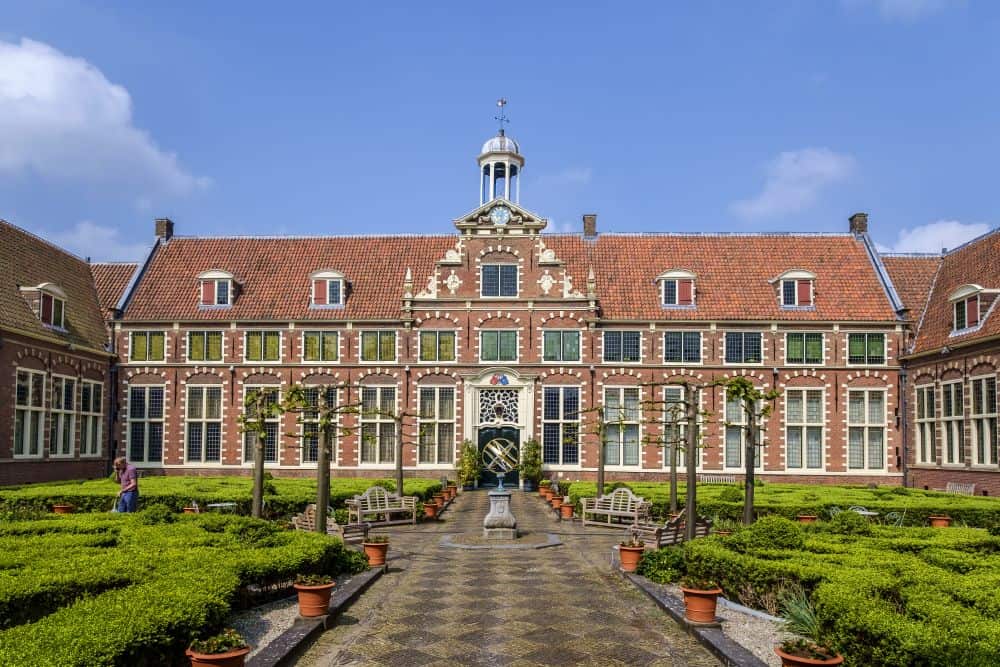
Frans Hals Museum
One of the most famous landmarks of Haarlem is the Frans Hals Museum. This venue is named after the famous Haarlem painter Frans Hals. At this special location, you’ll find an extensive collection of his works. You’ll also find works by other great Dutch masters here.
Teylers Museum
A visit to the oldest museum in the Netherlands is also highly recommended when you’re in Haarlem. This museum has a long history, dating back to the eighteenth century. Here you can enjoy an extensive collection consisting of artworks, natural history objects, and scientific instruments, among other things.
Jopenkerk
In terms of culture, the Jopenkerk is also a must-visit. The Jopenkerk is housed in a former church and has since been converted into a brewery. Here you can enjoy craft-brewed beers and the historic atmosphere of this unique venue.
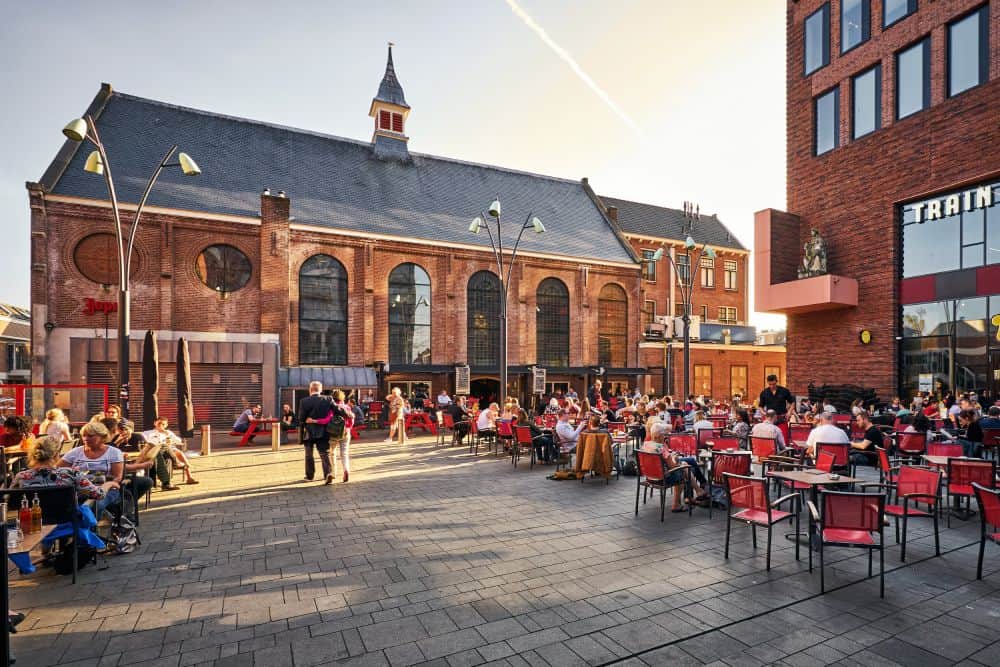
The Botermarkt
When you’re in Haarlem, you can’t leave without having visited the lively Botermarkt. This is a vibrant square, located in the historic centre of Haarlem. It is the ideal place to relax at one of the many hospitality venues. Fun markets are also regularly organised on this square.
Discover the history of Haarlem
Step back in time and discover the history of Haarlem during a day out in this vibrant city. Haarlem has an enormous amount to offer when it comes to history, art, and culture. Start your day at the remarkable Sint-Bavokerk, located on the Grote Markt. This church has been the symbol of the city for centuries. Then walk through the narrow streets and discover the Grote Houtstraat, a historic shopping street with roots in the Middle Ages. Don’t forget to visit the Frans Hals and/or Teylers Museum either. Here you’ll learn more about the various meanings of Haarlem and admire the finest works of famous painters. Curious about what else you can do? Then read our article what to do in Haarlem.
Haarlem is a unique city full of history, which has experienced various challenges and periods of prosperity through the centuries. During a day in Haarlem, you can discover the legacy of the Counts of Holland, the influence of the Spanish troops, and the city’s flourishing as a cultural centre in the sixteenth century and the centuries that followed. Enjoy the historic splendour that the city has to offer and take a journey through time. And be sure to take the time to admire new Haarlem as well.
While supplies last
Especially for you
Read our blogs and find out everything about the best outings and sailing routes